
At a Cost of £49 Billion, Heathrow Pushes Government to Greenlight Third Runway
Heathrow has submitted an updated proposal for its third runway. The privately funded project would cost £49 billion and could be operational within a decade.
/https://aviacionlinecdn.eleco.com.ar/media/2025/08/portada_londres_heathrow.jpeg)
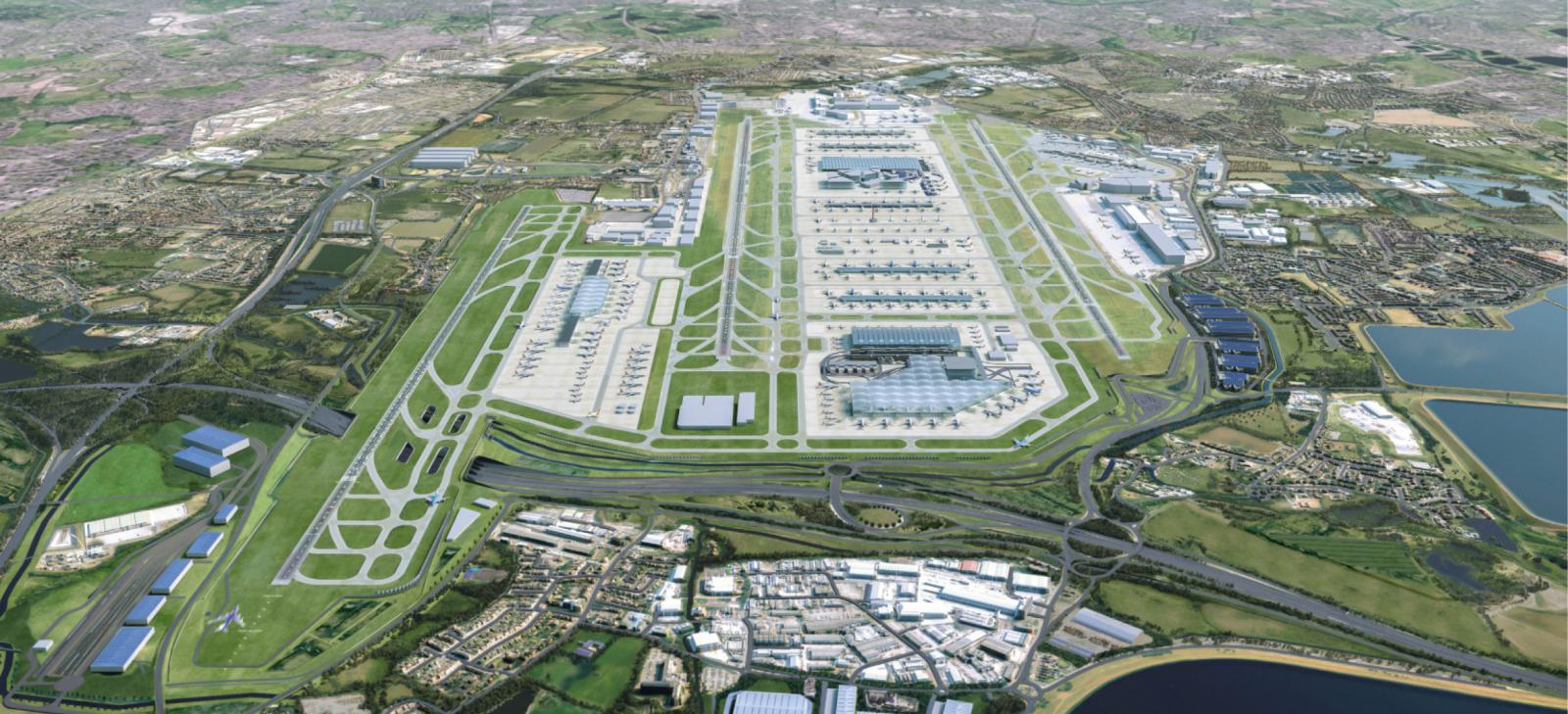
Heathrow Airport has formally submitted an updated, "shovel-ready" proposal to the UK government for its long-debated third runway. The plan, entirely funded by private capital, estimates a total investment of £49 billion and projects that the new infrastructure could be operational within a decade, provided it receives the necessary political and regulatory support.
According to a statement released by the airport operator, the expansion is designed to increase Heathrow's capacity to 756,000 flights and 150 million passengers annually. The proposal aims to unlock at least 30 new destinations and increase competition, which, according to the company, would result in lower fares and more choice for travelers.
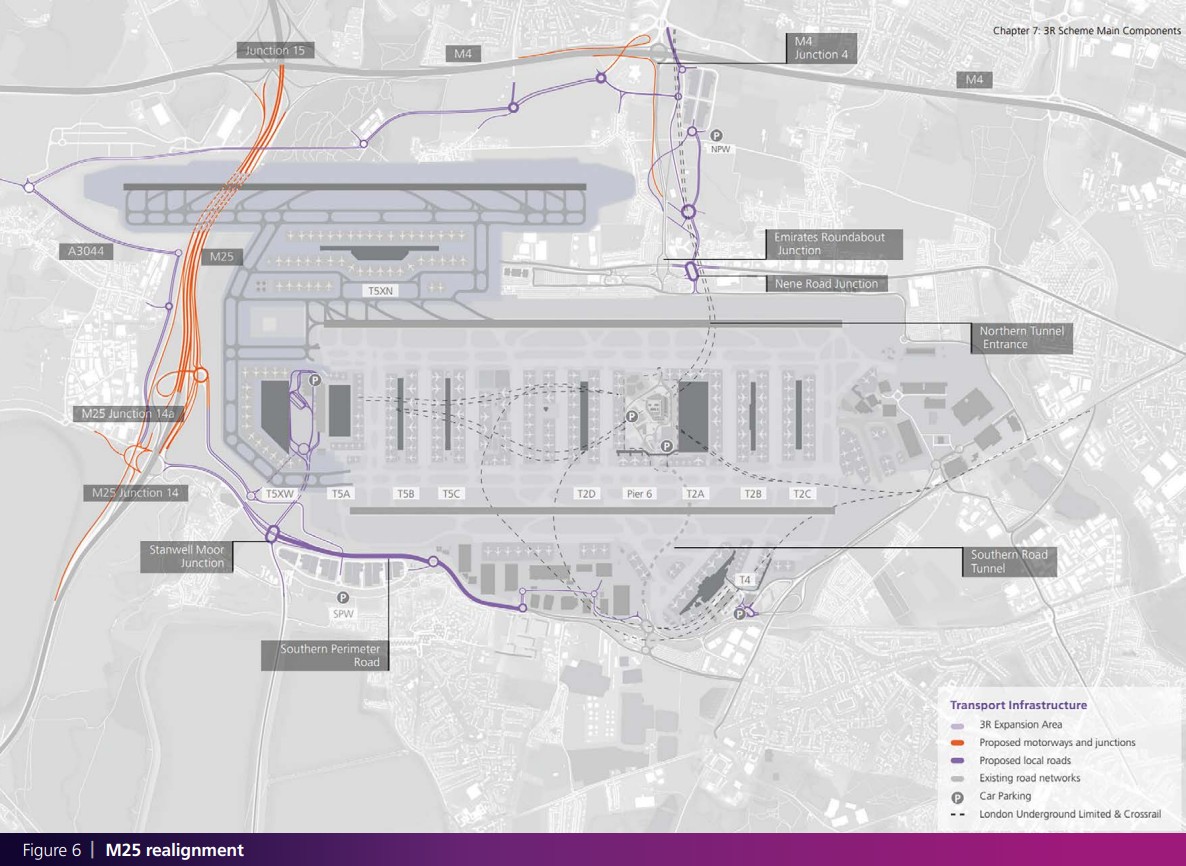
The core £49 billion investment is broken down into three main components. Approximately £21 billion would be allocated for the new 3,500-meter northwest runway and associated infrastructure, a figure that has increased from the £14 billion estimated in 2018 due to construction inflation. Additionally, £12 billion would be invested in new terminal capacity, including a new facility called 'T5X', and £15 billion to modernize existing infrastructure, involving the expansion of Terminal 2 and the eventual closure of Terminal 3.
In a document available for downloading at the end of this article London Heathrow Airport details the project.
Heathrow's Proposal in Numbers:
What is the proposal? The construction of a third runway and terminal expansion.
How much will it cost? A total of £49 billion, financed by the private sector.
When would it be ready? Within a decade after receiving political and regulatory approvals.
What capacity will it add? It will increase capacity to 150 million passengers and 756,000 flights annually.
Heathrow CEO Thomas Woldbye stated that "it has never been more important or urgent to expand Heathrow. We are effectively operating at capacity to the detriment of trade and connectivity." Woldbye added that with government support, they are ready to mobilize investment this year.
The proposal has garnered support from major UK business organizations. In a joint statement, the Confederation of British Industry (CBI), the British Chambers of Commerce (BCC), and other federations declared that "the UK business community supports the expansion of Heathrow with a third runway—an investment in the nation's future."
A notable development is the explicit backing from low-cost carriers. Kenton Jarvis, CEO of easyJet, commented that "expansion at Heathrow will provide consumer and economic benefits and represents a unique opportunity for easyJet to operate from the airport at scale for the first time and bring with it lower fares for consumers."
On the economic front, Heathrow projects that the expansion would add 0.43% to the UK's GDP and increase the airport's cargo capacity by 50%, which already handles over £200 billion in annual trade.
Despite the economic impetus, the project faces the same historical hurdles: environmental impact. Heathrow reiterates its commitment to achieving net-zero emissions by 2050 and highlights that its noise footprint has reduced by 41% since 2006. However, the proposal will inevitably reignite the debate on aviation emissions and noise pollution in nearby communities.
If the government responds favorably by September of this year, Heathrow plans to begin consultations with airlines and local communities in 2026, aiming to submit the formal planning application in 2028.

Para comentar, debés estar registradoPor favor, iniciá sesión